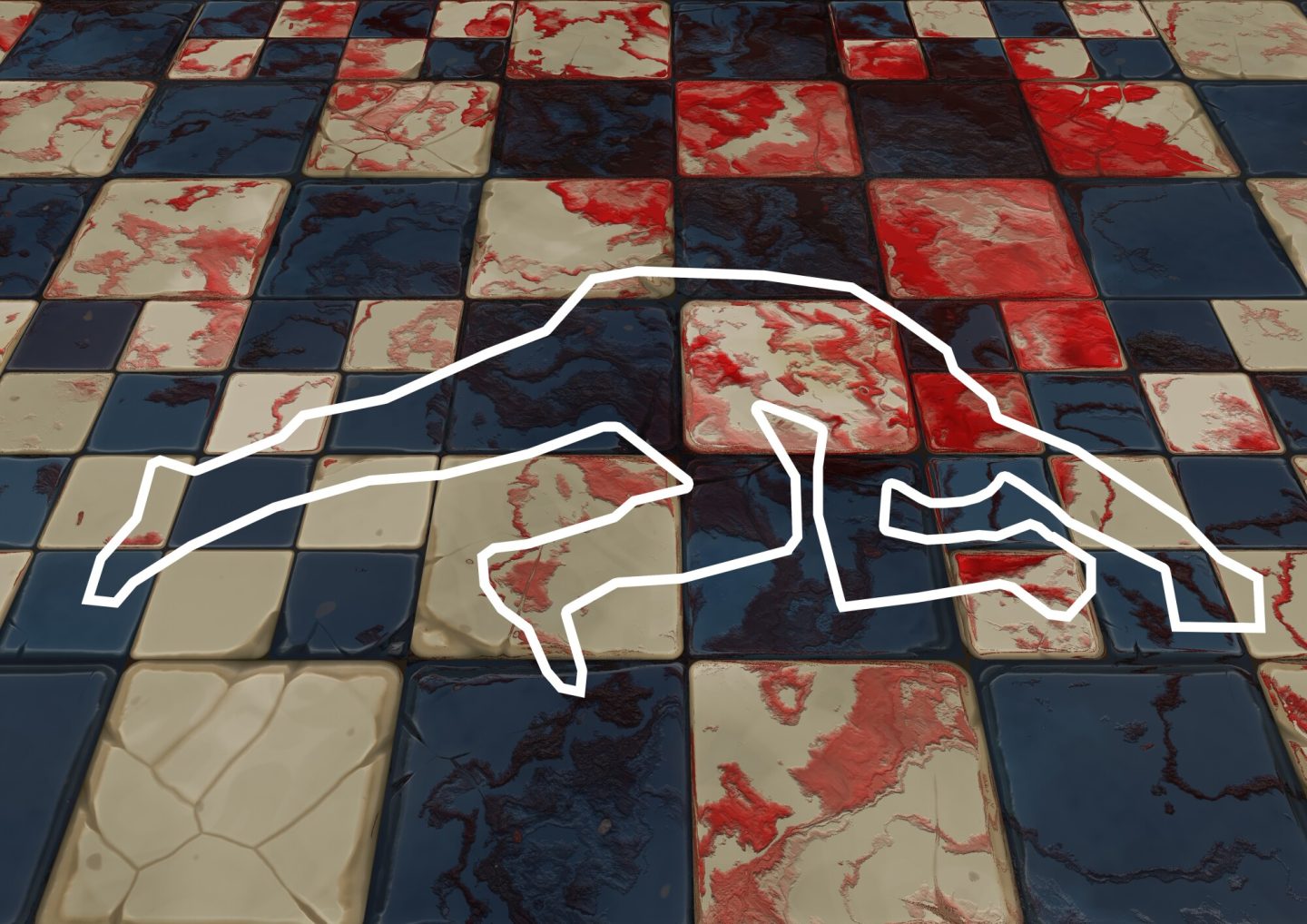
In the aftermath of a traumatic event such as an unattended death, an accident, or an act of violence, family members and property owners are faced with an incredibly difficult and emotionally overwhelming situation. The last thing they should have to worry about is the cleanup. A trauma scene is not something that can be handled by a standard cleaning service; it is a biohazard situation that requires a specialized and certified professional response. Trauma scene cleanup, also known as bioremediation, is a scientific process designed to safely and discreetly clean, disinfect, and deodorize a property, ensuring it is returned to a safe and habitable condition.
The Serious Health Risks of a Trauma Scene
The primary reason a professional is required is the significant health risk posed by blood and other bodily fluids. These materials can contain a host of dangerous bloodborne pathogens, including:
- Hepatitis B (HBV)
- Hepatitis C (HCV)
- Human Immunodeficiency Virus (HIV)
These pathogens can remain infectious for an extended period outside the body. Attempting to clean a scene without the proper training and, most importantly, the proper personal protective equipment (PPE), can lead to a life-threatening exposure. As the Occupational Safety and Health Administration (OSHA), the federal agency that sets workplace safety standards, makes clear, there are strict regulations and protocols that must be followed when handling potentially infectious materials.
The Professional Trauma Scene Cleanup Process
A certified trauma scene cleanup company follows a meticulous and compassionate process.
- Discretion and Compassion: The first priority is to approach the situation with the utmost compassion and respect for the family’s privacy. The team will arrive in discreet, unmarked vehicles and will work with law enforcement to ensure the scene is released adequately for cleanup.
- Assessment and Safety: The lead technician, wearing full PPE, will assess the scene to determine the extent of the contamination and to identify any potential safety hazards.
- Cleaning and Removal: The crew will begin by carefully cleaning and removing all visible blood and biological material. Any porous materials that have been heavily contaminated and cannot be salvaged—such as carpet, padding, mattresses, or drywall—will be carefully removed, sealed in biohazard containers, and disposed of in accordance with strict medical waste regulations.
- Disinfection and Sanitization: After the initial cleaning, all remaining surfaces in the affected area are thoroughly cleaned and then treated with special, EPA-registered, hospital-grade disinfectants that are designed to kill bloodborne pathogens and other microorganisms.
- Deodorization: The final step is to use professional techniques, such as an ozone or hydroxyl generator, to eliminate lingering odors and ensure the property is returned to a clean, fresh state.
Why You Should Never Attempt This Yourself
Beyond the significant health risks, the emotional trauma of trying to clean a scene where a loved one was injured or passed away can be overwhelming and can lead to lasting psychological distress. Hiring a professional service allows the family to focus on grieving and healing, knowing that the hazardous and challenging cleanup is being handled by compassionate and qualified experts.
Your Orange County Trauma Scene Cleanup Professionals
In the wake of a traumatic event, you need a team that is not only technically proficient but also compassionate and discreet. For families and property owners in Orange County, the certified team at Service First Restoration provides professional trauma scene cleanup. Contact us for immediate, 24/7 assistance.