When water damage or structural repairs occur in a community, one of the most common—and most misunderstood—questions boards face is:
“Is this wall load-bearing?”
It seems simple, but the answer deeply impacts cost, responsibility, safety, and liability. Misidentifying a load-bearing wall can lead to structural issues, inconsistent repairs, and unnecessary disputes between homeowners and the HOA.
This blog post provides a clear explanation of what load-bearing walls are, how to determine them with certainty, and why every HOA should have standardized load-bearing wall maps for each unit type.
What Is a Load-Bearing Wall?
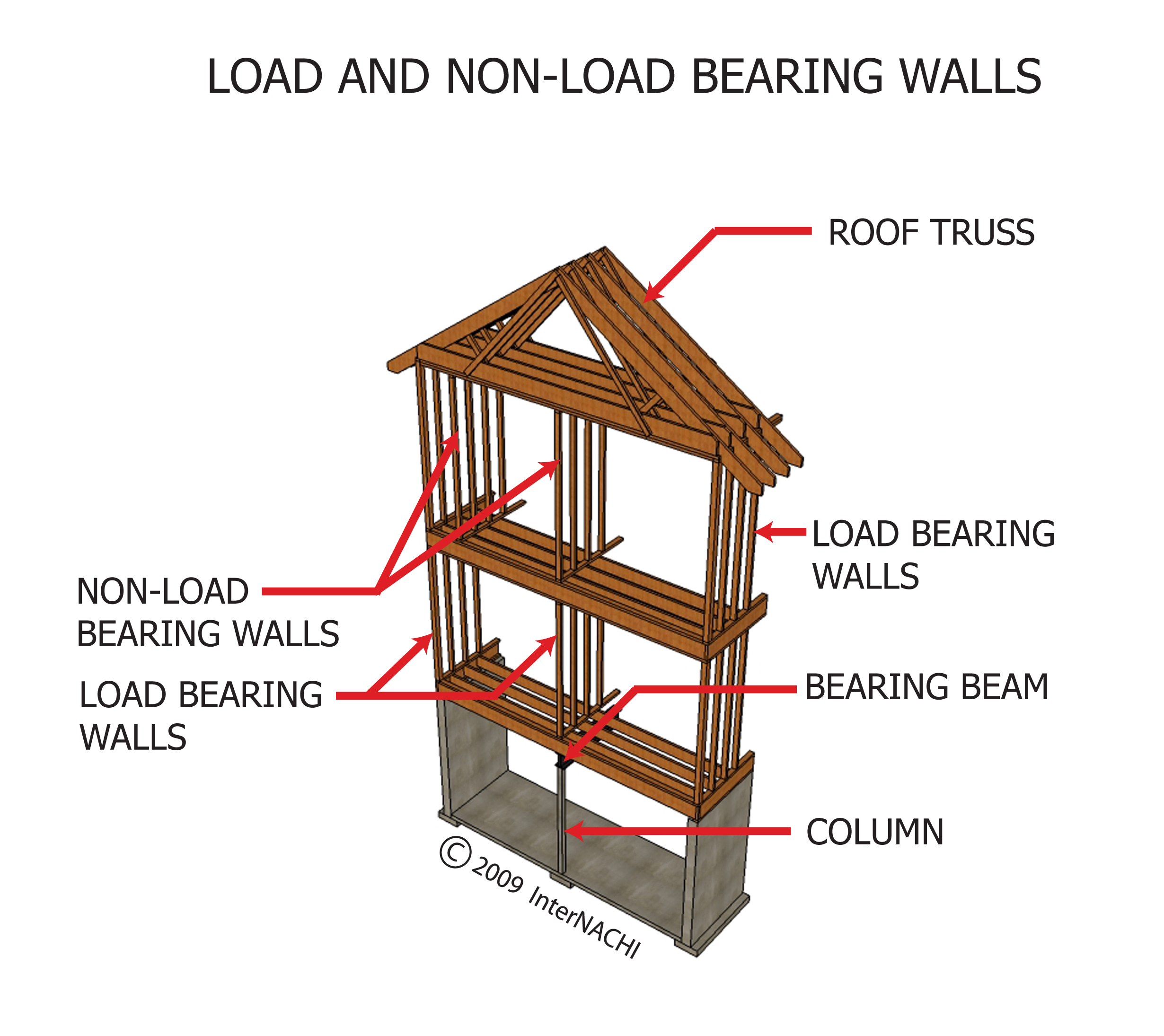
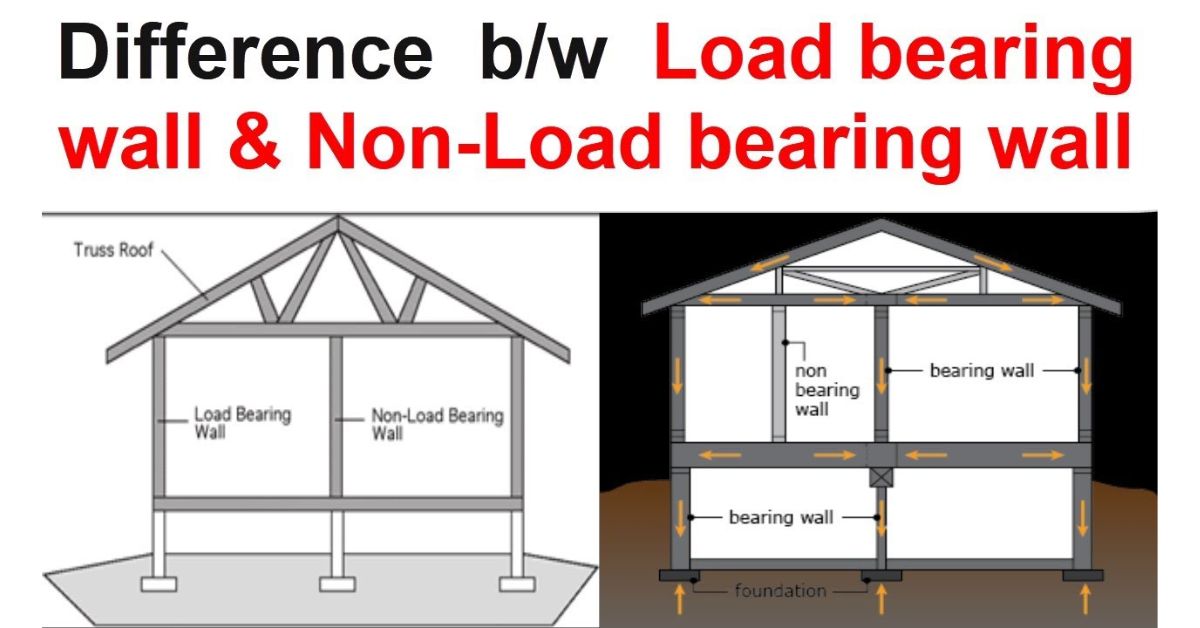
A load-bearing wall is a structural component that carries weight from above—such as the roof, upper floors, beams, or even neighboring units. These walls play an essential role in the stability of the building and cannot be removed or modified without proper engineering support.
While there are clues that a wall may be load-bearing (such as running perpendicular to joists or aligned with walls above/below), visual guessing is unreliable. Many attached housing communities have complex framing systems that make it impossible to be certain without proper evaluation.
Why Accurate Identification Matters in Water Damage & Repairs
When vendors or maintenance teams open walls during water mitigation or repairs, they must know exactly which walls are structural. Guessing can lead to:
-
Accidental removal of key structural components
-
Sagging, cracking, or movement in adjacent units
-
Increased liability for the HOA
-
Safety hazards for workers and residents
-
Higher repair costs due to emergency engineering fixes
Whether responding to leaks, mold, plumbing issues, or planned renovations, structural clarity is essential.
How HOAs Can Determine Load-Bearing Walls With 100% Certainty
The only reliable method is a formal structural evaluation performed by qualified professionals. This process typically includes:
1. Reviewing Architectural Plans
Original construction plans show the intended load-bearing walls, beams, and framing layouts. These plans may be available through the HOA, management, or the city’s building department.
2. A Site Inspection by a Structural Engineer
Engineers verify whether the actual building conditions match the plans. Over decades, remodels, retrofits, or water damage repairs can alter load paths.
3. Creating Updated Structural Documentation
After evaluation, the engineer provides a written report or marked-up plans that clearly identify all load-bearing walls, beams, and restricted areas.
This documentation becomes the community’s official structural reference—reducing confusion and ensuring consistent decisions for years to come.
Why HOAs Should Standardize Load-Bearing Wall Information
Without standardization, each vendor may make independent assumptions, leading to inconsistent service, pricing, and safety practices.
Standardization protects the HOA by ensuring:
-
Every vendor follows the same structural guidelines
-
Water mitigation teams do not over-demolish walls unnecessarily
-
Reconstruction vendors know exactly what they can and cannot modify
-
Homeowners receive consistent answers during remodels
-
The board reduces future liability and disputes
As communities age and repairs increase, this consistency becomes even more important.
Creating Load-Bearing Wall Maps for Each Unit Type
Once the engineering evaluation is complete, the HOA should create simple, easy-to-understand floor plan maps showing:
-
Load-bearing walls (highlighted clearly)
-
Non-load-bearing walls
-
Notes on structural beams or restricted demolition zones
-
Guidelines for water mitigation vendors and construction teams
These maps can be stored digitally and provided to approved vendors whenever work is required. This ensures that every mitigation, plumbing, or construction company operates using the same, accurate information.
Benefits of Load-Bearing Wall Maps for Your Community
Creating these standardized maps:
-
Improves safety during repairs
-
Reduces unnecessary demolition
-
Speeds up decision-making during water emergencies
-
Lowers long-term maintenance and construction costs
-
Creates structural clarity for future boards and managers
-
Helps avoid homeowner disputes about responsibility
-
Ensures vendors provide consistent and accurate scopes of work
This one-time investment in structural documentation pays dividends for years to come.
Final Thoughts
Understanding and documenting load-bearing walls is crucial for HOAs, especially in communities experiencing frequent water damage, aging plumbing systems, or interior repairs. By working with a structural engineer and standardizing unit-specific load-bearing maps, HOAs can protect residents, streamline repairs, and reduce risk.
If your community needs help navigating water damage, structural repairs, or creating standardized documentation, our team is here to support you with clarity, safety, and consistency.
WHITE PAPER- Understanding Load-Bearing Walls in HOA Communities