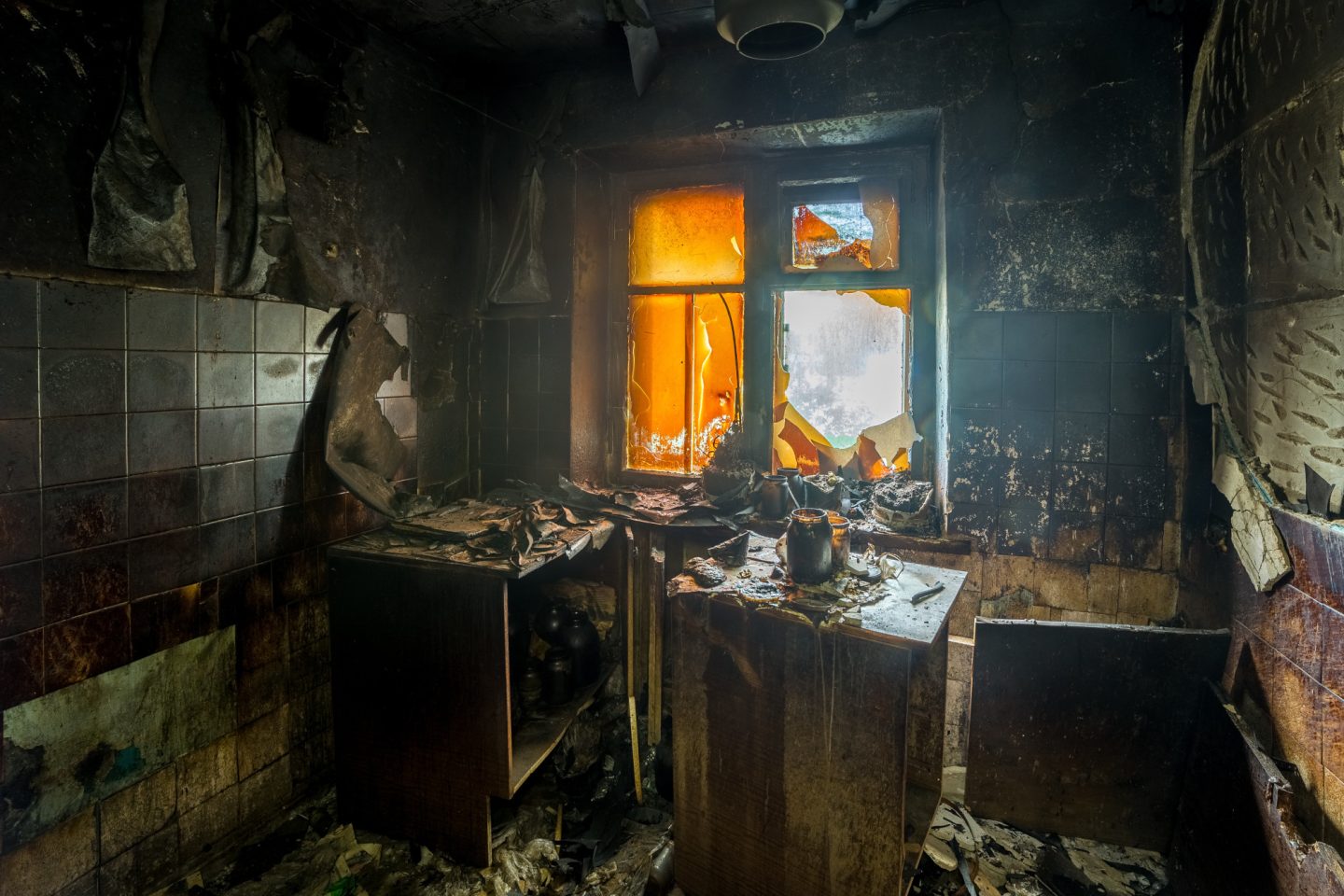
The clandestine production of methamphetamine in residential properties is a serious problem that leaves behind a hidden and highly toxic legacy. When a meth lab is discovered and dismantled by law enforcement, the property is not safe to inhabit. The chemical processes used to cook meth create a dangerous cocktail of volatile chemicals that contaminate every surface, permeate porous materials like drywall and carpeting, and can even seep into the HVAC system. This invisible chemical residue poses a significant health risk to any future occupants. The process of cleaning and decontaminating a former meth lab is a highly specialized and regulated biohazard service that must only be performed by certified professionals.
The Significant Health Risks of Meth Contamination
The chemicals used in meth production are hazardous and can include things like acetone, anhydrous ammonia, pseudoephedrine, and other volatile organic compounds (VOCs). Exposure to the residue left behind by these chemicals can cause a range of serious health problems, including:
- Respiratory issues, including coughing and shortness of breath
- Headaches, dizziness, and nausea
- Skin and eye irritation
- Neurological problems with long-term exposure
Children are especially vulnerable to these health risks due to their developing bodies and their tendency to play on floors and put things in their mouths. According to the Environmental Protection Agency (EPA), proper cleanup is essential to protect the health of future residents. It is not something that can be handled by a standard cleaning or janitorial service.
Why Professional Remediation is Not Optional
Cleaning a former meth lab is a complex and dangerous job that is governed by strict local and state regulations.
- Specialized Training and PPE: Technicians who perform this work must have specialized training in hazardous materials handling. They must wear full personal protective equipment (PPE), including chemical-resistant suits and full-face respirators, to protect themselves from exposure.
- Proper Disposal of Hazardous Waste: All contaminated materials—from drywall and carpeting to furniture and personal belongings—must be removed and disposed of as hazardous waste according to strict legal protocols. You cannot simply throw these items in a dumpster.
- Scientific Decontamination Process: The remediation process is highly scientific. It involves a detailed assessment of the property, initial ventilation, removal of all porous materials, and a multi-step chemical washing and sanitizing of all remaining non-porous surfaces.
- Post-Remediation Testing: After the cleanup is complete, a third-party industrial hygienist is typically brought in to perform air and surface sampling. These samples are sent to a lab to verify that the property has been successfully decontaminated and meets the safe, habitable levels set by the state. This independent, third-party verification is crucial for obtaining legal clearance to re-occupy the property.
As many public health departments advise, attempting a DIY cleanup is not only extremely dangerous to your health but is also ineffective and illegal.
Your Orange County Methamphetamine Contamination Cleanup Professionals
Decontaminating a property that was used as a meth lab is a serious and complex task that must be handled by certified professionals who understand the science and the legal requirements. For property owners, managers, and real estate professionals in Orange County, the team at Service First Restoration has the training, certification, and expertise to handle methamphetamine contamination cleanup. Contact us for discreet and professional service.